Glioblastoma research
Glioblastoma is the most common lethal primary brain malignancy that remains incurable. In the glial pathology lab, we aim to develop cures for glioblastoma. The process starts with gaining a deep understanding of the tissue architecture of glioblastoma and the role of the tumor microenvironment cells. We coined the term "tissue states" in 2023 in our Nature Communications paper, which captures the compositional and spatial patterns that we believe determine the vulnerability of different varieties of glioblastoma to different treatments. This is the basis of several ongoing research projects aimed at developing novel combination therapies for glioblastoma, targeting specific tissue states by leveraging our knowledge of tumor microenvironment cells and treatment-resistant glioblastoma cells.


Projects
Defining the leading edge of glioblastoma
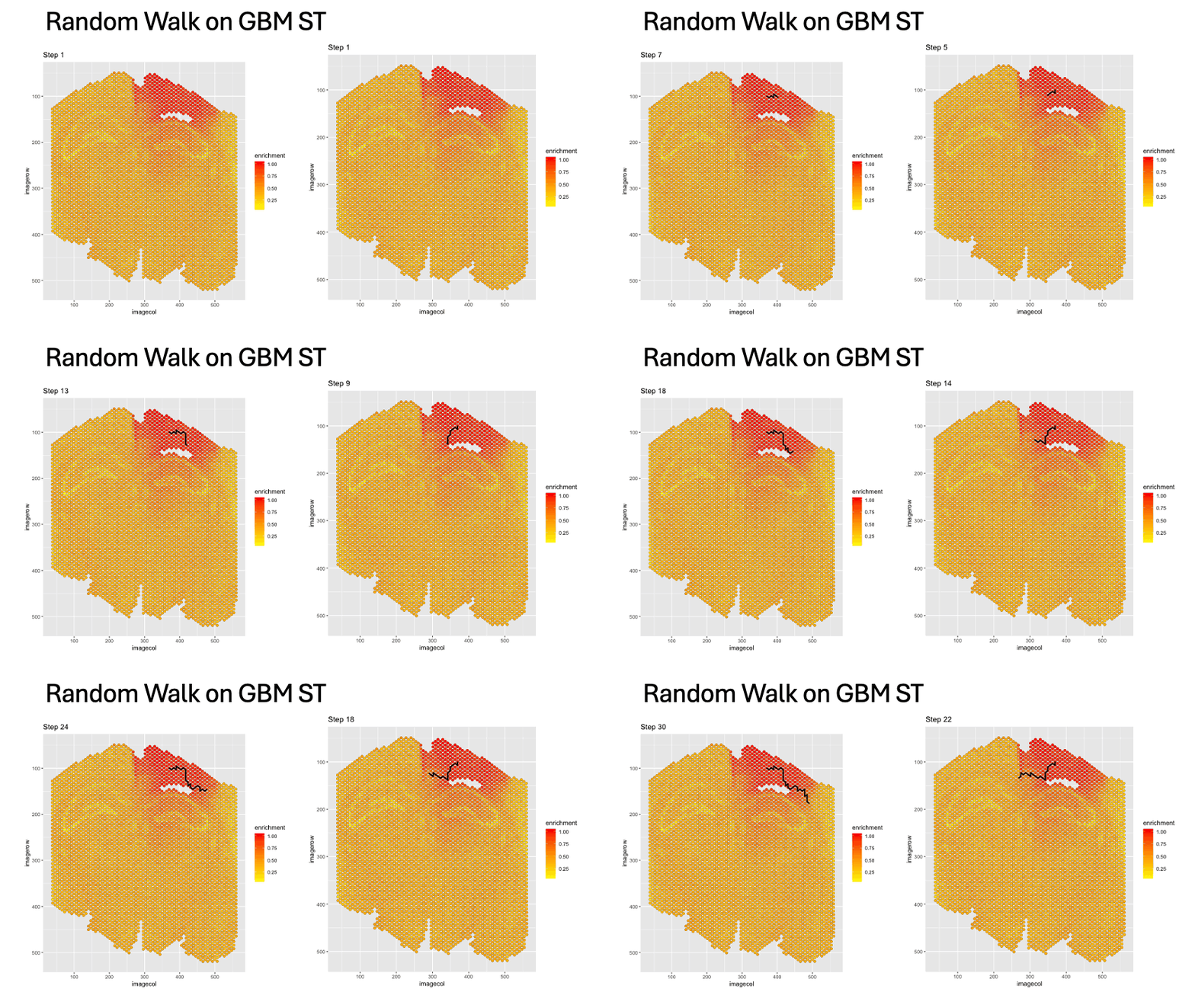
Identifying the leading edge of glioblastoma (GBM) presents a critical opportunity to elucidate mechanisms of tumor invasion and progression. However, its detection is challenging due to the tumor’s spatial heterogeneity, dynamic cellular reprogramming, and interaction with the complex architecture of the brain. In the lab, we are implementing advanced computational analysis to identify the leading edge by using techniques like the random walk model to explore the molecular boundary and using factor analysis to look at the overlap with tumor factors and regular anatomical structures to define the leading edge.